Mississauga Pain Clinic offering chiropractic, physiotherapy, massage therapy and orthotic services to residents of Churchill Meadows InMississauga
Mississauga Pain Clinic offering chiropractic, physiotherapy, massage therapy and orthotic services to residents of Churchill Meadows InMississauga
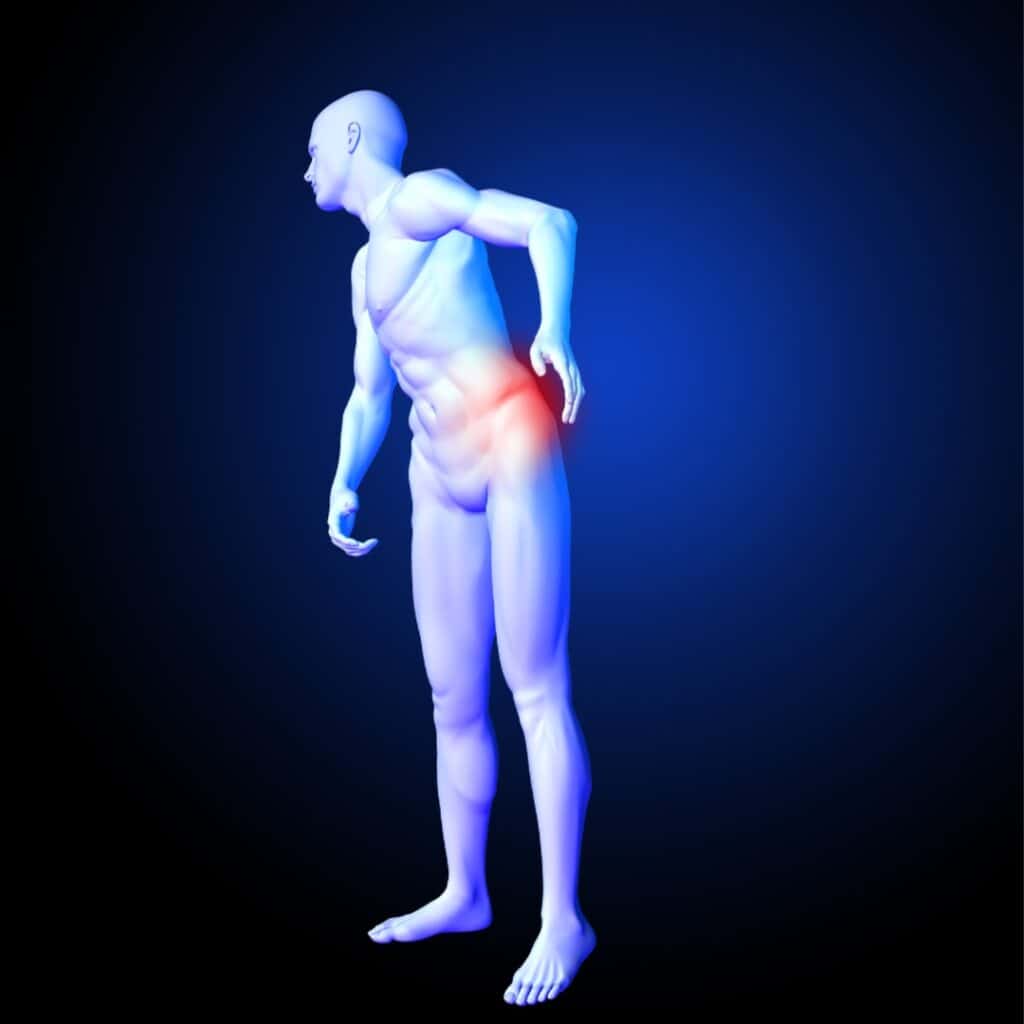
Have you ever had pain radiate from your low back, through your hips, and down one leg? If so, you may have experienced sciatica. What exactly is it, and what can you do to treat the pain? In this blog post, we will explore what you need to know plus offer some tips for relief.
The sciatic nerve runs down the length of each leg, starting in your low back and ending at the heels of your feet. Sciatica is a term used to describe the pain caused by irritation of that nerve. Health professionals have a variety of names for it, including lumbosacral radicular syndrome, discogenic sciatica, nerve root pain, and nerve root entrapment, 1 but sciatica is the most common term.
Sciatica is different from low back pain in that it results from the sciatic nerve, rather than the spine. This nerve serves an important function, affecting the hamstrings, calf muscles, lower leg muscles, and some foot muscles.2 In many cases, the pain gets worse with twisting, bending, sneezing or coughing.2
Researchers estimate that 90 per cent of cases are caused by a herniated disc where the nerve root is compressed – something that may occur as a result of an injury, or age-related wear and tear.5 Other possible causes include lumbar stenosis1, or piriformis syndrome.
Patients most often complain about pain radiating down the back of their leg, reducing their mobility.1, 2
More research is needed to determine the exact incidence and prevalence of sciatica. It is estimated that five to 10 per cent of patients with low back pain have it, 1 and 10 to 40 per cent of people experience it in their lifetime.2
There are certain risk factors that increase the chance of developing sciatica. These include: 1
In addition, certain occupations are predisposed to sciatic nerve pain, including machine operators and truck drivers.2
When a patient complains of pain radiating down their leg, a chiropractor will typically conduct a full history and physical examination to determine whether the sciatic nerve is to blame.1 Chiropractors often work as part of a patient’s health care team. If there are red flags present – such as if Cauda Equina syndrome is suspected – the chiropractor will recommend advanced imaging to determine if surgery should be considered.1
There are a variety of treatments that chiropractors can offer, including recommendations on lifestyle changes. These include:
Talk to your chiropractor to ensure you are doing everything you can to improve your condition at home. He or she may recommend one or more of the following: 2
You can reduce the chances of developing sciatica by exercising regularly and paying attention to your posture.3 Try the following exercises if you’re looking for inspiration, but the most important thing is to find an activity you enjoy: 4
Chiropractors are spine, muscle, and nervous system experts who provide effective treatment to promote health, alleviate pain, and improve your quality of life. If you’re struggling with sciatica and want relief, book a free consultation by clicking the link below, or by calling 905-593-1605